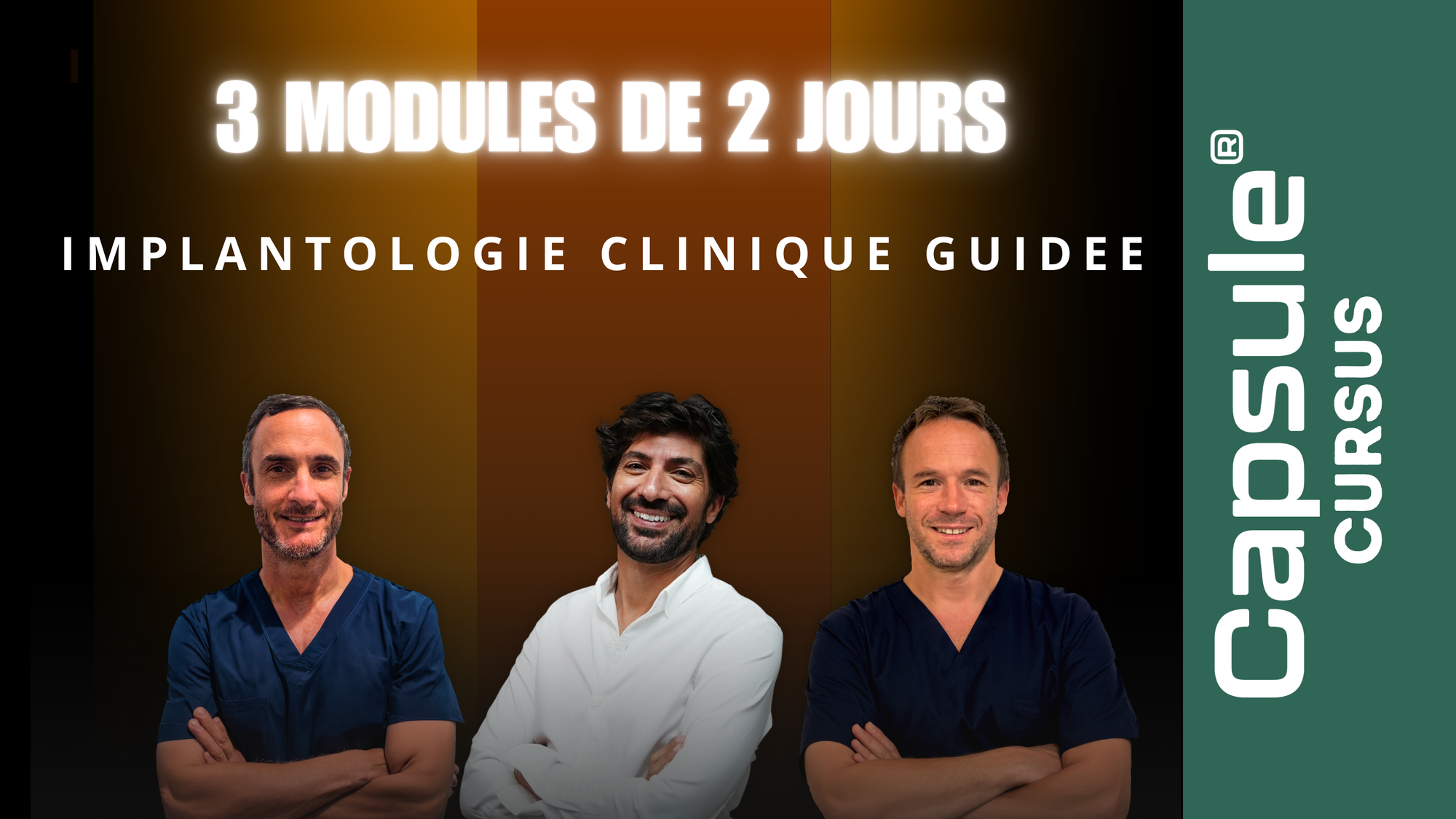
GUIDED CLINICAL IMPLANTOLOGY

Espace participant

GUIDED CLINICAL IMPLANTOLOGY

17 septembre 20268h30 - 18h30Pamiers (09100) au centre de formation CapsuleDans 15 jours

Retrouvez ici toutes les informations pratiques de votre formation — dates, horaires, lieu, programme et hébergement — ainsi que la vidéo à visionner avant votre venue.

À voir avant la formation

Vidéo explicative à voir avant la formation

À visionner avant le premier module

La formation

From digital planning to implant restoration

Progressive clinical pathway integrating contemporary digital workflows

3 modules of 2 days

This training course was designed to enable practitioners to integrate implantology into their daily practice in a progressive, secure, and sustainable way, relying on the latest digital workflows to optimize and ensure the reliability of the management of simple to moderate clinical cases.

Clinical simplicity does not mean technical oversimplification: simple cases today deserve the most precise tools and the most advanced digital workflows to guarantee the safety, reproducibility, and durability of treatments.

By the end of the first module, participants will be able to place a single implant in the office, within a secure clinical setting. The spread of the training over several months then allows for personalized support during the prosthetic phase, applied to real cases treated by the participants.

Ce que vous allez travailler

Objectifs

Acquire the clinical, surgical, and prosthetic skills necessary for simple to moderate implant treatment in a safe and reproducible manner.

Pour qui

This training is for practitioners who are:
- beginners or have little experience in implantology,
- looking to place implants in real clinical practice,
- seeking a safe, guided, prosthetically coherent approach,
- and structured progression between modules (coaching).

Prérequis

E-learning: Short modules (20–30 min):

  • Biological principles of osseointegration
  • General indications / contraindications
  • Essential implant anatomy
  • Basics of implant prosthetics
  • Introduction to digital implant workflow

Mandatory validation before Module 1 (via MCQ)

Méthodes

- Targeted theoretical input
- Demonstrations
- Role-playing
- Clinical case studies
- Peer-to-peer discussions
- Personalized support

Évaluation

- Multiple-choice questions or validation quiz (pre- and post-training)
- Practical work assessment
- Clinical case analysis presented by the participant
- Self-assessment of skills

Accessibilité

En cas de situation de handicap, une étude de faisabilité sera faite afin de proposer une formation adaptée. Une salle de formation répondant aux normes d’accessibilité d’accueil du public est mise à disposition. (Seulement si formation en présentielle)

Le programme

1 Module 1 Voir

SINGLE UNIT IMPLANT
Analysis, Planning, and Guided Surgery


Duration: 2 days (17-18/09/2026)
Learning Objectives:
At the end of Module 1, participants will be able to:
• select a simple implant case,
• plan it prosthetically guided,
• and place a single unit implant using guided surgery, with healing screw closure.


Day 1 – Analysis & Planning
09:00 – 12:00:
• Indications for posterior single unit implants
• Clinical and occlusal analysis
• Reading and interpretation of CBCT
• Choice of implant system
• Prosthetically guided implant placement
13:30-17:00:
• Introduction to simple digital workflow:
- optical impression
- prosthetic project
- planning
• Practical work on implant planning
• Introduction to guided surgery
- Indications/advantages
- limitations
Objective end of Day 1: Know how to say yes/no to a simple case and understand where and why to place the implant.


Day 2 – Simple Implant Surgery
09:00 – 12:00:
• Essential surgical reminders
• Managing surgical stress
• Workstation management, equipment, ergonomics
• The implant guide: design, manufacturing, management
• Drilling sequences in guided surgery
13:30-17:00:
• Practical work on guided surgery on models
• Practical work on simple incisions
• Practical work on simple sutures
• Common intraoperative complications
• Very simple temporization (principles, indications); cover screw or conventional healing screw

Objective end of Module 1: Participants have the concrete foundations to place a simple implant, with support.

Inter-module Coaching 1 → 2
• Selection of a personal clinical case
• Planning assistance
• Guide validation

2 Module 2 Voir

EXTRACTION / IMPLANTATION & SIMPLE MULTIPLE IMPLANTS
Simple tissue management and increasing complexity

Duration: 2 days (19-20/11/2026)
Learning objectives
At the end of Module 2, participants will be able to:
• Manage more demanding but secure situations
• Introduce simple soft and hard tissue management
• Address multiple implants (small bridge)

Day 1 – Immediate implant placement and personalized healing abutments
09:00 AM – 12:00 PM:
• Principles of the implant bone and mucosal environment
• Introduction to simple bone management (grafting, GBR)
• Immediate implant placement (selected and simple cases)
01:30 PM – 05:00 PM:
• Introduction to personalized abutments (SSA or custom-made)
• Practical work on immediate implant placement and SSA

Day 2 – Multiple implants
09:00 AM – 12:00 PM:
• Planning 2-3 implants for a small bridge
• Biomechanical principles
• Abutment selection:
- Straight
- Conical
- Angled
• Concept of temporization
01:30 PM – 05:00 PM:
• Practical work on multiple implant planning
• More demanding guided surgery (multiple, mixed support)

Module 2 End Goal: Participants will be able to:
• Manage simple extraction–implantation,
• Manage basic soft tissues,
• Place 2-3 implants for a small bridge, using guided surgery.


Inter-module coaching 2 → 3
• Real multiple cases
• Planning / abutment adjustment
• Clinical experience feedback

3 Module 3 Voir

IMPLANT PROSTHETICS & CONSOLIDATION
From impression to maintenance

Duration: 2 days (11-12/02/2027)
Learning objectives:
At the end of module 3, participants will be able to:
• Finalize implant treatment
• Ensure long-term practice safety


Day 1 – Implant Prosthetics
09:00 – 12:00:
• Abutment / crown selection
• Screw-retained vs. cement-retained
• Emergence profile management
• Prosthetic morphology and transition zones
• Occlusal adjustment
• Polishing and finishing (Polishing demonstration)
13:30-17:00:
• Optical impression in implantology (single and multiple units), different techniques and technologies. Advantages and limitations.
• Practical Work on Optical Impressions in various situations


Day 2 – Follow-up & Complications
09:00 – 12:00:
• Early complications (1–6 months)
• Common errors
• Implant maintenance
• Patient advice
• Follow-up organization
13:30-17:00:
• Discussion of participants' cases
• Limitations of Level 1
• Presentation of Level 2:
- advanced bone management
- full-arch
- aesthetic anterior sector

Vos intervenants

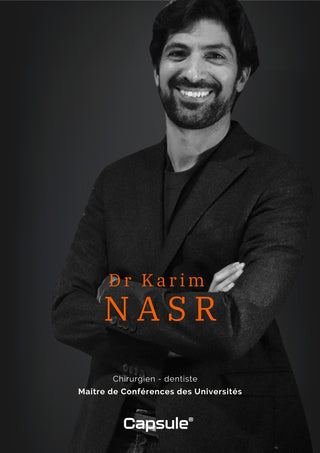
Dr Karim Nasr
Dr Karim NasrDocteur en Chirurgie Dentaire
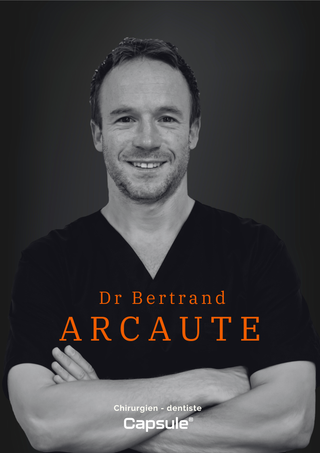
Dr Bertrand Arcaute
Dr Bertrand ArcauteChirurgien-dentiste
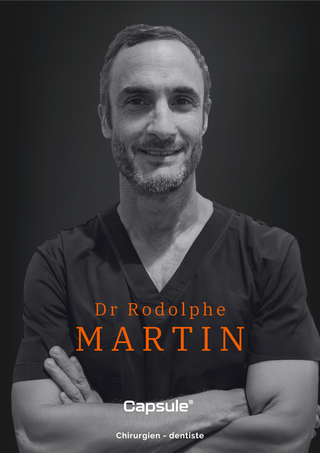
Dr Rodolphe Martin
Dr Rodolphe MartinChirurgien-dentiste

En images

Où dormir

Château de Roques in Ariège

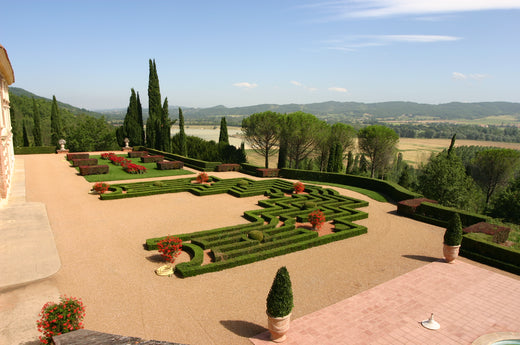
Château de Roques is nestled in the heart of a genuine 160-hectare green setting. This imposing pink brick building was designed in the 19th century by Count François Henri de Portes.
Formerly a noble residence, the château now opens its doors to offer unforgettable stays and moments suspended in time.

Let yourself be charmed by the tranquility of the place, its unobstructed view of the Pyrenees, its trails, and its French garden.

12 Delcassé Boulevard, 09100 Pamiers

The Château de Roques is only a 20-minute drive from the Capsule training center.

Chambres : Junior Suite (40sqm), Pyrenees/Gardens/Lake View; Deluxe Double Room (small size); Deluxe Double/Twin (small room)

Code à indiquer : CAPSULE

06.82.90.13.18· accueil@chateauderoques.com· Site de l'établissement

Château de Roques in AriègeChâteau de Roques in AriègeChâteau de Roques in Ariège

Une question ? Écrivez-nous à info@capsule-med.com ou appelez le 07 66 99 65 27.